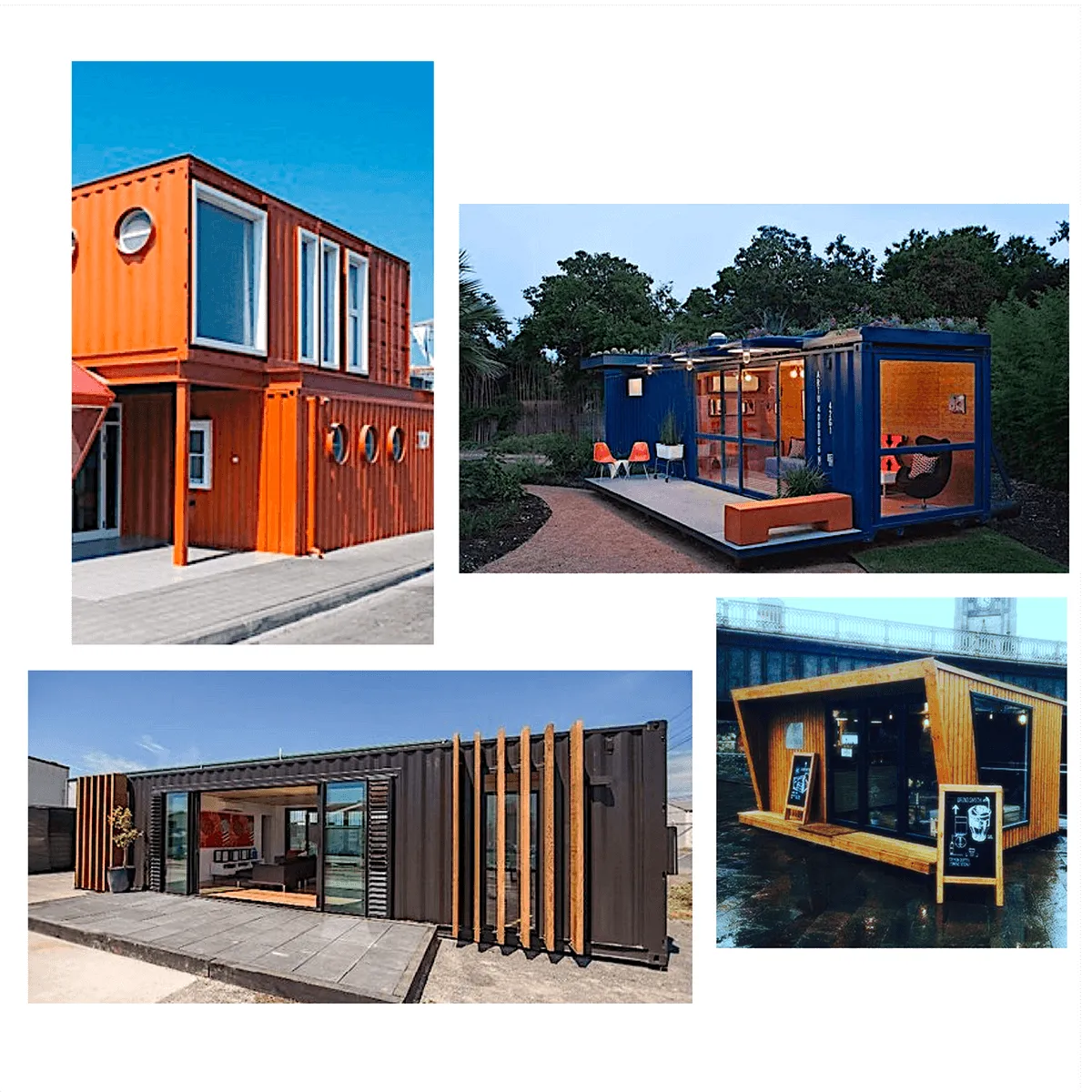
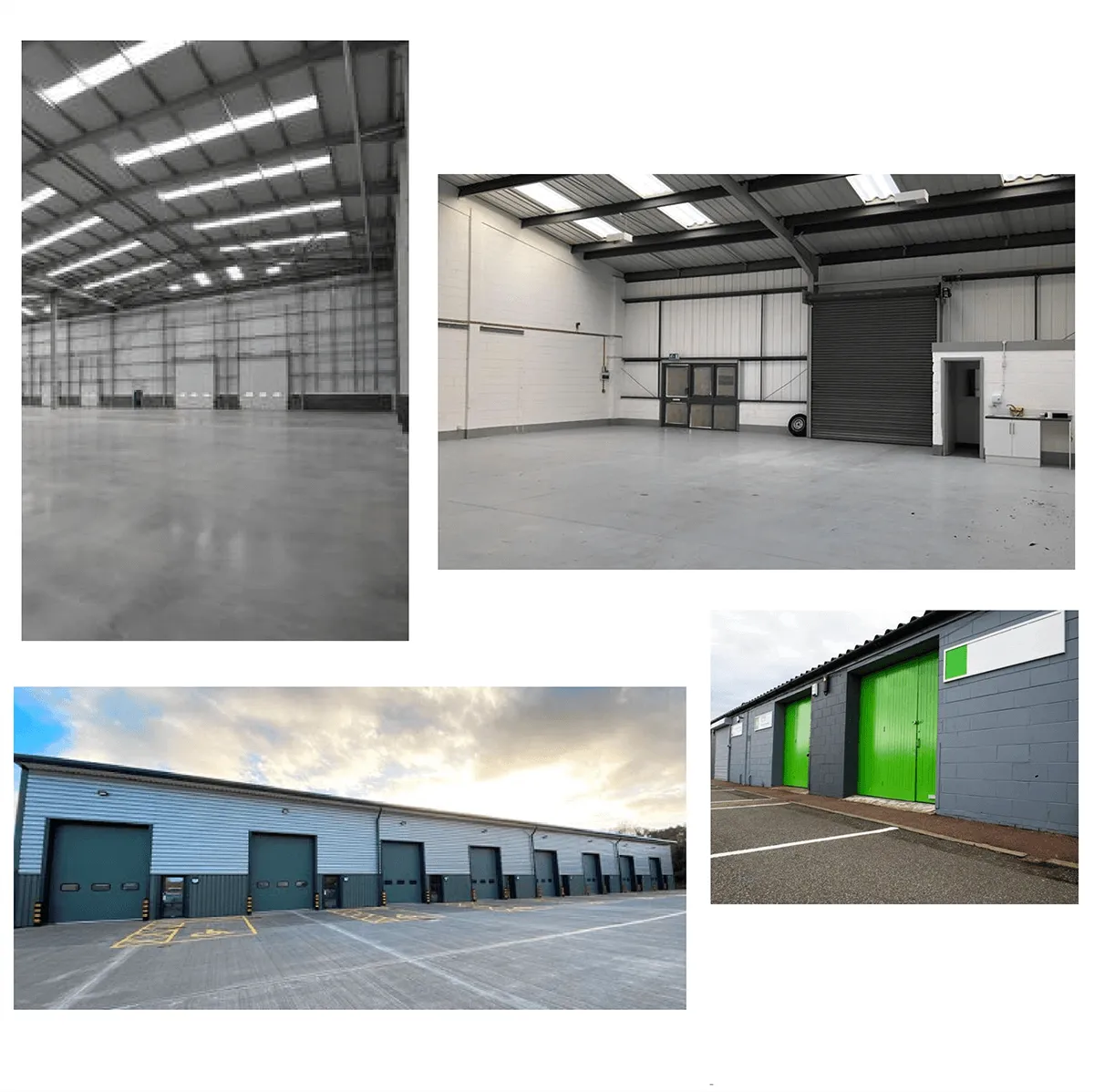
Overheating is becoming a growing problem. But why do some buildings become unbearably hot during the summer, while others remain relatively comfortable? And more importantly, what can we do about it?
We get lots of questions about overheating, but the two big questions I want to deal with first are:
- Why Do Buildings Overheat?
- Why Is Overheating becoming More Common?
Why Do Buildings Overheat?
Very simply, buildings overheat because, despite our attempts to educate the industry on the benefits of reflective insulation, lawmakers and building regulations have focused on using more and more bulk insulation to retain heat and slow down heat loss, while until recently ignoring heat gain (which conveniently puts more money in the pockets of the top five insulation manufacturers).
On a sunny day, a roof can become much hotter than the outside air, particularly if it is made from sheet metal. As the roof heats up, it transfers heat into the building below. This explains why some buildings become unbearably hot even when the outdoor temperature does not seem particularly high.
This video, made by one of our distributors in the USA 16 years ago, highlights the problem. We apologise – it’s very old and dated!
Why Is Overheating More Common Now?
Buildings appear to overheat more often now than they did 20 years ago, and there are three main reasons:
- As described above, until very recently, building regulations had not addressed overheating.
- Buildings are being used in ways they weren’t before, and often weren’t intended to be. Land prices are higher than ever, and individuals and businesses are looking for and using spaces they can afford, but that may not be fit for purpose. Warehouses being converted into gyms and leisure facilities are examples of this.
- The weather is getting hotter. Europe is now the fastest-warming continent in the world. Heat is becoming more intense, and heatwaves are lasting longer.
Once you understand why overheating happens, the next thing you want to do is address it. So, next I’ll answer our top eight questions.
- How to Cool a Building?
- Can Insulation Keep a Building Cool in Summer?
- Will Reflective Insulation Work in My Building?
- Will Reflective Insulation Stop Overheating?
- Does Reflective Insulation Really Make a Difference?
- Is It Expensive to Prevent Overheating?
- Will Reflective Insulation Meet Current Building Regulations?
- Keeping Buildings Warm in Winter
How to Cool a Building?
There are lots of ways to make a building more comfortable during hot weather, but the best solution depends on where the heat is coming from.
For example, if sunlight is entering through large windows, external shading, blinds or solar-control glazing may help reduce the amount of heat entering the room.
If hot air is accumulating inside, ventilation may help remove it, particularly when the outside air is cooler.
Fans can also make people feel more comfortable, although they don’t necessarily reduce the temperature of the room itself.
And, of course, there’s always air conditioning. Air conditioning can be extremely effective, but it also consumes electricity. And the more heat entering a building, the harder the system has to work to maintain a comfortable temperature.
This is why I think insulation should be one of the first things we consider when trying to reduce overheating.
Can Insulation Keep a Building Cool in Summer?
Yes! Although this depends on the insulation material, how it is installed and the type of heat we’re trying to control.
Most people associate insulation with keeping buildings warm during the winter.
But insulation doesn’t know what time of year it is!
Heat naturally moves from warmer areas towards cooler ones. During winter, we’re generally trying to reduce heat escaping from inside the building. During summer, we’re often trying to reduce heat entering from outside.
The principle is the same, even though the direction of heat flow changes.
Conventional insulation materials such as mineral wool and rigid insulation boards can help reduce conductive heat transfer.
Reflective insulation offers something different because it can also reduce radiant heat transfer.
And this can be particularly useful when you’re dealing with roofs that become extremely hot during the summer.
Will Reflective Insulation Work in My Building?
We regularly speak to customers looking for ways to keep their buildings cool during the summer. Some are struggling with overheating in:
- Offices
- Loft conversions
- Conservatories
- Garden rooms
- Summer houses
Then there are the owners of larger commercial buildings:
- Warehouses
- Factories
- Offices
- Workshops
In these buildings, overheating can affect employees, comfort, equipment and running costs.
No matter the building type, the problem is always the same. You have too much solar gain (100% of which is radiant heat). And traditional insulation does little to keep the heat out.
The good news is that overheating can often be reduced without spending a fortune on expensive cooling systems or taking the roof off your building to re-insulate it.
Will Reflective Insulation Stop Overheating?
This is a question we get asked a lot. Will reflective insulation stop overheating in my building? Yes, reflective insulation can make a considerable difference!
Reflective insulation made of aluminium (not Mylar! – you can read more here) will reflect 97% of radiant heat.
Traditional bulk insulations work by absorbing heat and slowing down the rate at which they conduct heat through themselves. No matter how much bulk insulation you install, you will not solve the problem without a TRUE low-emissivity insulation.
Does Reflective Insulation Really Make a Difference?
Yes, we’ve received feedback from numerous customers who have used Low-E to reduce overheating.
The owner of Bee Tree reported temperatures in their warehouse of 45°C in an uninsulated section of roof compared with 26°C under the section of roof that had been insulated with Low-E.
Nearly a 20°C temperature difference without running an air conditioner. That’s considerable!
We had a similar testimonial from a customer in Texas, where he said outside temperatures were reaching 43°C (110°F), while the temperature inside the building insulated with Low-E was around 24°C (75°F), and suggested that this would cut their cooling costs in half. You can see that video here: Watch the Low-E customer video
Is It Expensive to Prevent Overheating?
No, not necessarily.
First of all, you need to consider why you want to prevent overheating. Is it for your comfort, or the comfort of the building occupants (employees or customers)?
And if so, what value do you put on that?
Overheating is becoming a big problem and more common every year. We know that because we’re dealing with more and more enquiries every year.
Will Reflective Insulation Meet Current Building Regulations?
Modern building regulations (as mentioned above) require you to meet minimum U-value targets. U-values are designed to address heat loss and aim to slow down conductive heat flow.
The regulations do not take the E-value into consideration, and herein lies the problem. I’ll demonstrate why you need to understand this.
An old warehouse roof with no insulation has a U-value of about 4.54 W/m²K.
To reduce this to new regulations, you could take the roof off the building and put on a new insulated metal panel roof at a cost of £60.00 per m², plus labour and equipment, plus the disruption of removing the roof. This would reduce the U-value by 4.36 W/m²K to 0.18 W/m²K.
Material cost (£60.00) + Labour = 96% reduction in calculated heat transfer through the roof
To install reflective insulation on its own, with nothing else, would cost approximately £6.00 per m², plus labour and equipment, but can usually be done with minimum disruption. This would reduce the U-value by 3.83 W/m²K to 0.71 W/m²K.
Material cost (£6.00) + Labour = 84% reduction in calculated heat transfer through the roof
So, to tick a box and meet regulations, you need to spend 10 times as much on materials but will only achieve an additional 12 percentage-point reduction in calculated heat transfer through the roof.
More importantly, the new metal roof panel will still not have a low-emissivity layer in it.
Keeping Buildings Warm in Winter
One of the biggest advantages of improving insulation to reduce overheating is that the benefits don’t disappear when summer ends. When you install reflective insulation, you’re not simply investing in something to make a building more comfortable for a few weeks during summer. Reflective insulation works the same in winter, reducing heat loss by reflecting heat back into the building.
When quality reflective insulation is installed correctly in a continuous layer, it will also reduce draughts and unwanted air movement, further reducing heat transfer, energy consumption and improving the comfort of the occupants.
Low-E Insulation has a closed-cell foam core. This reduces the chance of condensation forming on the product surface or in the core. Even in high-moisture environments like ice rinks, Low-E is unrivalled in its performance.